If you are house hunting in Yukon, one of the biggest choices is not just the home itself. It is the setting around it. Do you want the polished feel of a newer subdivision, or the character and variety of an established street? Both can be a smart fit, but they serve different priorities. This guide will help you compare your options in Yukon so you can focus on the neighborhood style that best matches how you want to live. Let’s dive in.
Why this choice matters in Yukon
Yukon gives you a real opportunity to compare both neighborhood types without leaving the city. The area includes long-established additions such as Canadian Heights, Glenwood, Harding, Ranchwood, Skyview, Yukon Village, Kingsway, and Parkland Heights, along with newer planned communities such as Legacy Lakes, River Birch Estates, Stone Mill, Stonegate, Yukon Crossing, and The Residence at Yukon Hills.
That matters because Yukon is growing. The U.S. Census Bureau estimates the city’s population at 27,068 in 2024, which is up 14.5% from 2020. As the city grows and updates zoning and development rules, newer neighborhoods are often shaped by more current planned development standards, while older streets reflect earlier building patterns and lot layouts.
What newer subdivisions often offer
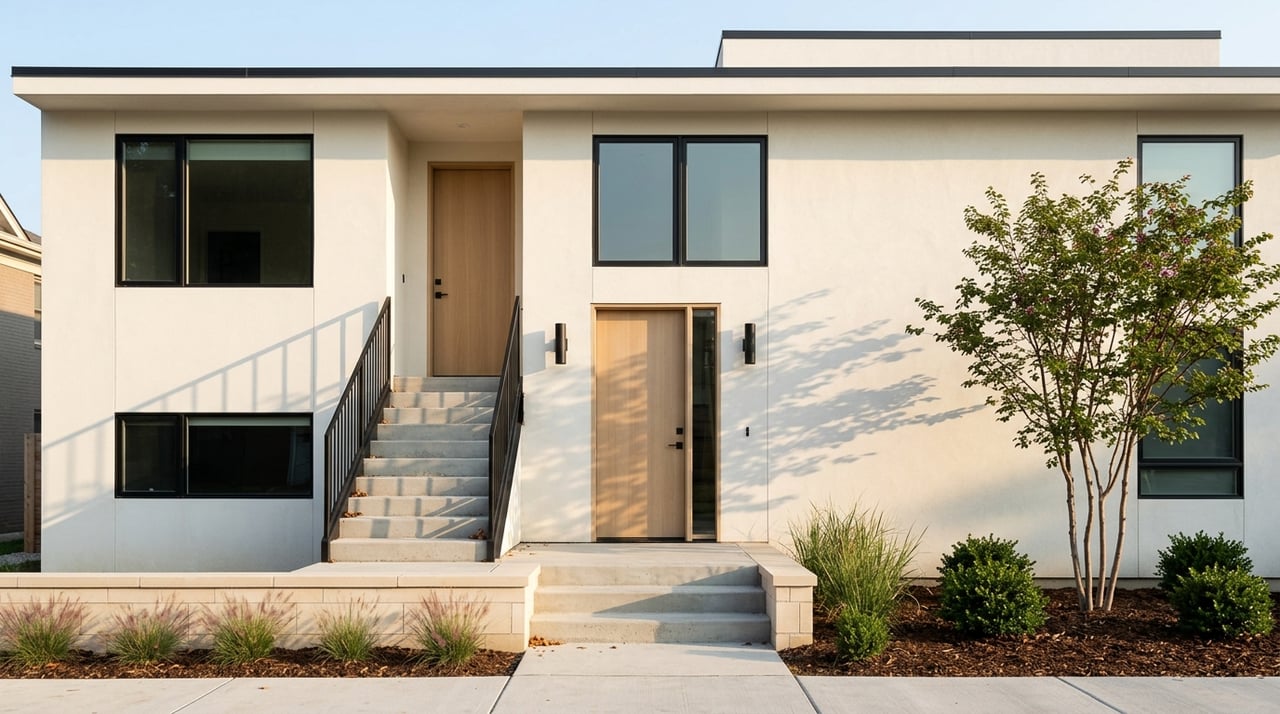
In Yukon, newer subdivisions usually appeal to buyers who want a more predictable package. You are more likely to find modern floor plans, newer systems, updated finishes, and amenities designed into the community from the start.
Builder examples in Yukon show a fairly broad range of home sizes, but the homes tend to stay within a compact-to-mid-size range. Reviewed examples include homes from about 1,158 to 2,482 square feet, often with 3 to 4 bedrooms, 2 bathrooms, and 2- or 3-car garages.
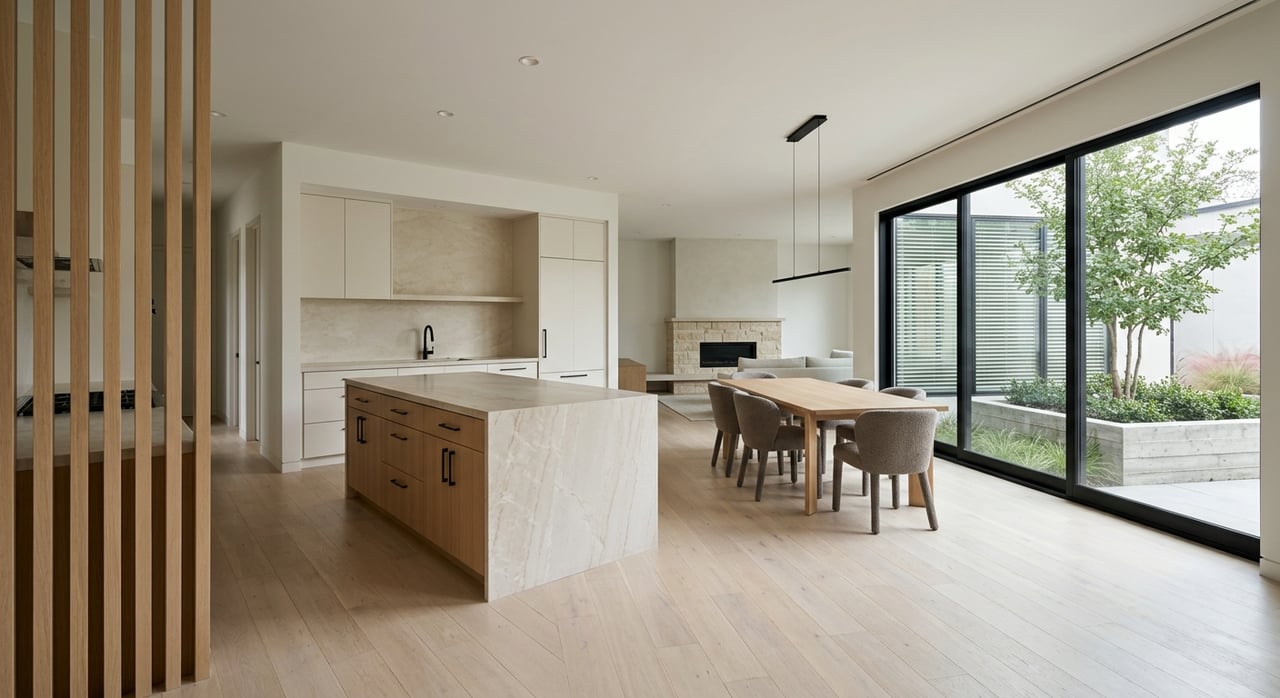
Many of these homes are marketed as move-in ready or close to it. Features often include quartz countertops, white cabinetry, luxury vinyl or wood flooring, stainless-steel appliances, tiled shower surrounds, gas ranges, covered patios, and in some cases 10-foot ceilings or three-car garages.
Some newer communities also include shared amenities. Depending on the subdivision, you may see features such as playgrounds, splash pads, ponds, pool or clubhouse access, fitness rooms, sports courts, and green space.
Newer subdivisions usually feel more uniform
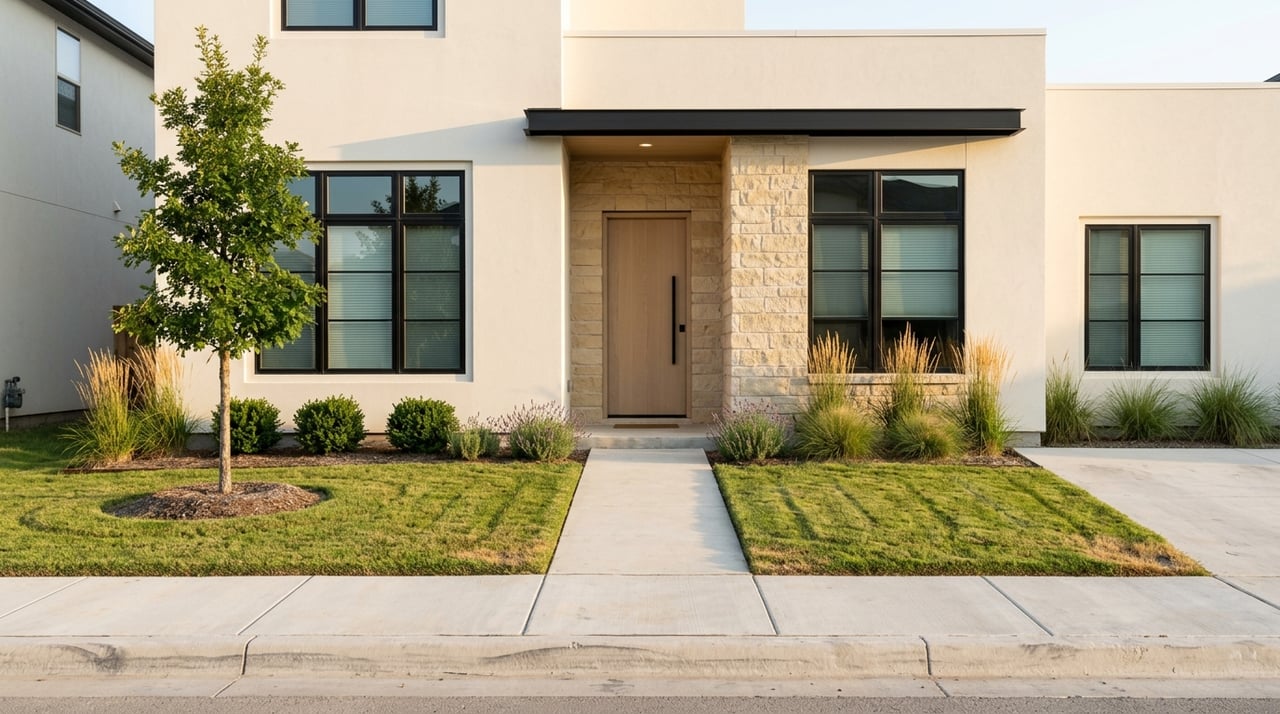
One of the clearest differences is consistency. In a planned subdivision, homes, lots, and streetscapes often follow a more coordinated design. That can make the neighborhood feel polished and organized from day one.
In Yukon Crossing Phase 2, for example, residential lots require a minimum size of 6,600 square feet and a minimum width of 60 feet. The development also requires at least a two-car garage and exterior walls with at least 75% brick, rock, or stone masonry, and it does not allow vinyl siding.
That type of structure can be appealing if you want a neighborhood where the look and maintenance standards are more consistent. It can also mean you have fewer choices when it comes to exterior changes, fencing, and certain property features.
Newer growth areas can feel more master planned
In Yukon, one active development area is south of Interstate 40 along Garth Brooks Boulevard. The Stone Mill planned development describes this area as rapidly developing, with neighboring development underway.
That helps explain why some newer subdivisions feel more master planned and amenity focused. If you like the idea of newer roads, coordinated entrances, common areas, and a more unified neighborhood identity, newer subdivisions may line up well with your goals.
What established streets often offer
Established streets in Yukon usually offer more variety. Instead of one builder, one design period, or one set of subdivision rules, you often get a mix of lot sizes, home styles, updates, and landscaping.
The city’s plat archive points to a long history of incremental neighborhood growth. Older additions such as Canadian Heights, Ranchwood, Glenwood, Harding, Kingsway, and Parkland Heights tend to reflect a more traditional neighborhood fabric rather than one large master-planned design.
That often shows up in the lots and street patterns. Older plats can include more curving streets, varying frontage widths, and less standardized lot shapes. If you value a neighborhood that feels less uniform, established streets may have more of the variety you are looking for.
Established streets can offer larger or more flexible lots
One practical advantage of older areas is the wider range of lot sizes. A reviewed Ranchwood example was a 1970 single-family home with 1,313 square feet on a 9,645-square-foot lot, with an estimated value around $185,000.
That does not mean every older home has a larger lot, but it does show the range you may find. In established areas, lot sizes and yard layouts can vary more from house to house than they do in a newer subdivision with fixed standards.
Established streets can have more personality
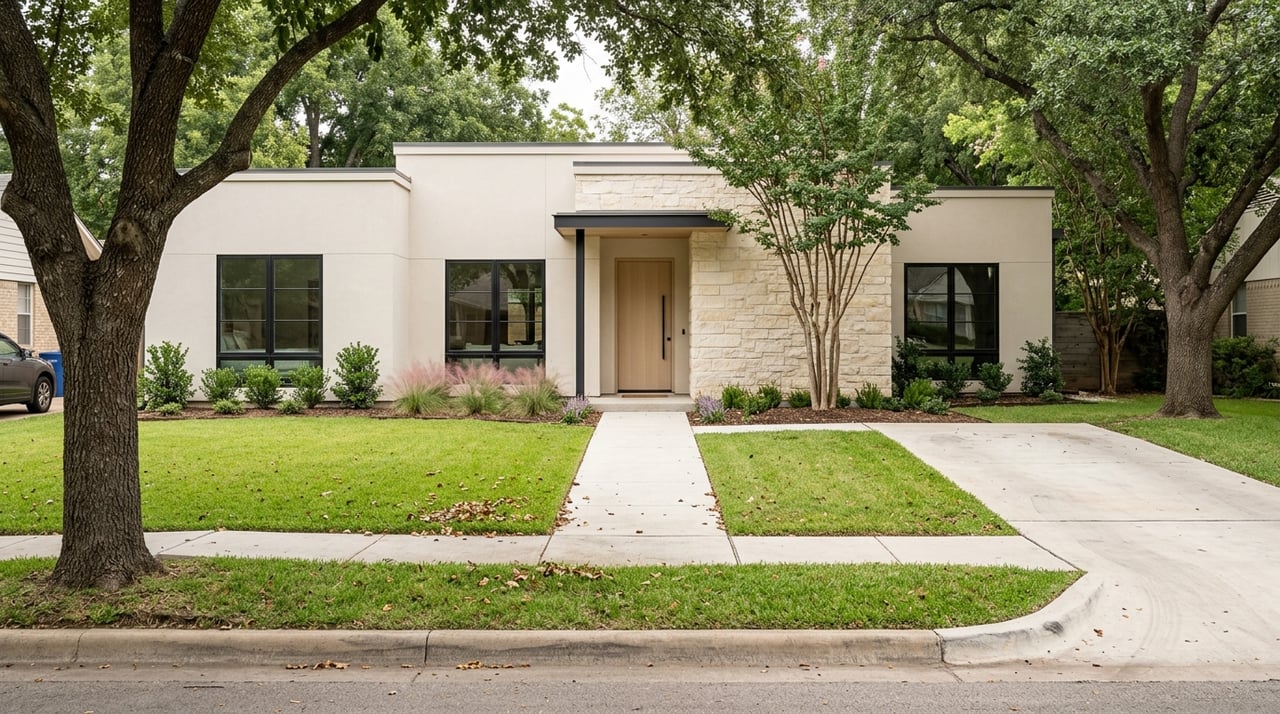
Older neighborhoods often include mature landscaping and a mix of original and updated homes. Current Yukon examples include homes in established neighborhoods that have been rebuilt or significantly updated, alongside homes with older finishes and systems.
That mix can work in your favor if you like character and see value in improvement potential. It also means you need to evaluate each home carefully, because an established neighborhood label tells you less about the actual condition of the property.
How much house can you get in each option?
This is one of the most common buyer questions, and the answer depends on whether you value predictability or variety. In newer Yukon subdivisions, the reviewed builder examples mostly fall between about 1,158 and 2,482 square feet, with modern layouts and newer finishes built into the price.
On established streets, the range can be wider. You may find smaller homes on larger lots, older homes with original layouts, or renovated homes that blend older locations with newer interiors. In short, newer subdivisions may offer a more consistent product, while established streets may offer more variation in the trade-off between home size, lot size, and condition.
Maintenance in the first 5 to 10 years
For many buyers, maintenance is where this decision becomes clearer. Newer homes are generally built to more current efficiency standards, and efficient new homes are designed as integrated systems for comfort, durability, and performance.
That can mean fewer near-term upgrade needs compared with an older home. You may be less likely to face immediate work on major systems, and you may benefit from more efficient fixtures, insulation, and appliances.
Still, newer does not mean maintenance free. You will still need to budget for landscaping, exterior care, and any improvements you want to add later.
With an older home, the maintenance picture depends much more on the specific property. Some homes may be well updated, while others may need attention to systems, insulation, air sealing, or windows to improve comfort and operating costs.
What to inspect first on an older Yukon home
If you are considering an established street, focus on the items that most affect comfort, cost, and long-term upkeep:
- Roof condition
- HVAC age and performance
- Window condition and efficiency
- Drainage around the home
- Insulation and air sealing
- Deferred exterior maintenance
- Cosmetic updates versus true system updates
This approach helps you separate a home that only looks dated from one that may need more serious investment.
HOA and POA rules can change the equation
In newer Yukon subdivisions, homeowners association or property owners association rules often play a bigger role. These communities may assign the association responsibility for things like common areas, entrances, fencing, drainage easements, private streets, or gate and amenity maintenance.
For example, Yukon Crossing Phase 2 assigns the property owners association responsibility for maintaining fencing along Yukon Parkway. Stone Mill Phase 4 places POA responsibility on common areas, entrance landscaping, and the gate and amenities.
That structure can be helpful if you want shared amenities and organized upkeep. It also means you should review dues, restrictions, and maintenance responsibilities carefully before you buy.
What HOA or POA dues may cover
Coverage varies by subdivision, but in Yukon planned communities, dues may help support:
- Common area maintenance
- Entry features and landscaping
- Fencing in designated areas
- Private streets or drives
- Gates or access features
- Neighborhood amenities
The key is to verify details subdivision by subdivision. Newer PUDs in Yukon often spell out those responsibilities clearly, while older areas can be more variable.
Are newer neighborhoods more restrictive?
Often, yes. Newer subdivisions in Yukon may have more detailed standards for lot size, lot width, garage requirements, exterior materials, and other visible features.
That can be a benefit if you want a neighborhood with a more controlled appearance. It can be a drawback if you want more freedom to change the exterior, add certain features, or use nonstandard materials.
No matter where you buy, remember that the City of Yukon regulates many homeowner additions through permits. Development Services lists requirements for projects such as fences, lawn irrigation, storm shelters, and swimming pools, so it is smart to check both city rules and subdivision rules before making plans.
Which option fits your priorities?
The better choice usually comes down to how you rank convenience, character, maintenance, and flexibility. Neither option is automatically better. The right fit depends on what you want your day-to-day ownership experience to look like.
A newer subdivision may fit you best if you want
- Modern layouts and finishes
- More predictable maintenance early on
- Newer systems and efficiency features
- Community amenities
- More uniform neighborhood appearance
- Clear subdivision standards
An established street may fit you best if you want
- Mature landscaping
- More variety in lot and home styles
- Potentially larger or less standardized lots
- Character and individuality
- Opportunities to renovate or add value
- More flexibility from property to property
A smart way to compare homes in Yukon
When you tour homes, avoid comparing only price and square footage. Compare the whole ownership picture. A newer subdivision may offer fewer surprise costs up front, while an established street may offer a better lot, more personality, or room to improve over time.
It helps to evaluate each option through a few simple questions:
- How much maintenance am I comfortable taking on?
- Do I want neighborhood amenities?
- How important is lot flexibility?
- Am I open to renovations or updates?
- Do I prefer a more uniform or more varied streetscape?
- What rules will apply if I want to add a fence, pool, irrigation, or other features later?
If you answer those questions honestly, the right neighborhood type often becomes much easier to spot.
If you want help comparing newer subdivisions and established streets in Yukon, Matthew Simms can help you narrow the options and evaluate the trade-offs with a local, practical approach.
FAQs
How do newer subdivisions in Yukon compare with established streets for home size?
- Newer Yukon subdivision examples reviewed ranged from about 1,158 to 2,482 square feet, while established streets tend to offer a wider mix of home sizes, lot sizes, and renovation levels.
What are the maintenance differences between newer Yukon homes and older Yukon homes?
- Newer homes are generally built to more current efficiency standards and may need fewer early upgrades, while older homes may require closer review of roof, HVAC, windows, drainage, insulation, and deferred maintenance.
What do HOA or POA dues cover in newer Yukon subdivisions?
- In Yukon planned communities, dues may support common areas, entrances, landscaping, fencing in designated areas, private streets, gates, and neighborhood amenities, but coverage varies by subdivision.
Are lot sizes and exterior rules stricter in newer Yukon neighborhoods?
- They often are, because newer planned developments may set minimum lot sizes, lot widths, garage requirements, and exterior material standards that are more detailed than those on many older streets.
What should you inspect first when buying on an established street in Yukon?
- Start with the roof, HVAC, windows, drainage, insulation, and signs of deferred maintenance so you can understand the real condition of the home beyond cosmetic finishes.
Is a newer subdivision or an established street better for buyers in Yukon?
- The better choice depends on your priorities, with newer subdivisions often suiting buyers who want modern finishes and predictability, and established streets often suiting buyers who want character, lot variety, and value-add potential.