If you picture Edmond as all new subdivisions and quick drives, established neighborhoods may surprise you. In many parts of the city, everyday life feels more shaded, settled, and connected to parks, sidewalks, and local routines than people expect. If you are thinking about buying or selling in Edmond, it helps to understand what daily life actually looks like in these older areas. Let’s take a closer look.
Established Edmond Feel
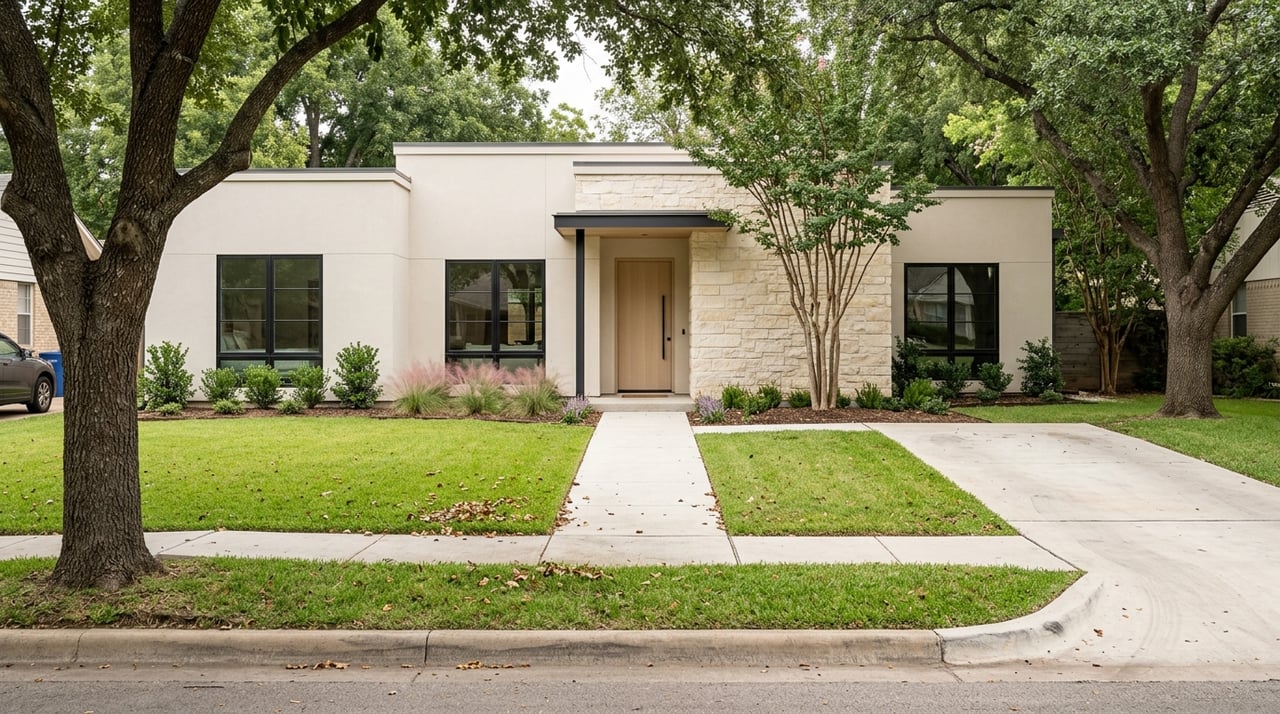
Established Edmond neighborhoods often feel different from newer sections of town because they tend to have mature landscaping, legacy trees, and a more settled street presence. The city highlights both its historic downtown and its long-term effort to protect Edmond’s tree canopy, which helps explain why many older areas feel shaded and well-rooted in place.
That mature look is part of the appeal. Instead of a brand-new tract feel, you may notice streets with larger trees, a wider mix of home designs, and a neighborhood rhythm that has developed over time. For many buyers, that creates a more comfortable and lived-in atmosphere.
Edmond also supports day-to-day movement beyond the car. According to the city, Edmond maintains 550 miles of sidewalks and 43 miles of trails, which gives many residents practical options for walks, bike rides, and neighborhood outings.
Homes and Price Ranges
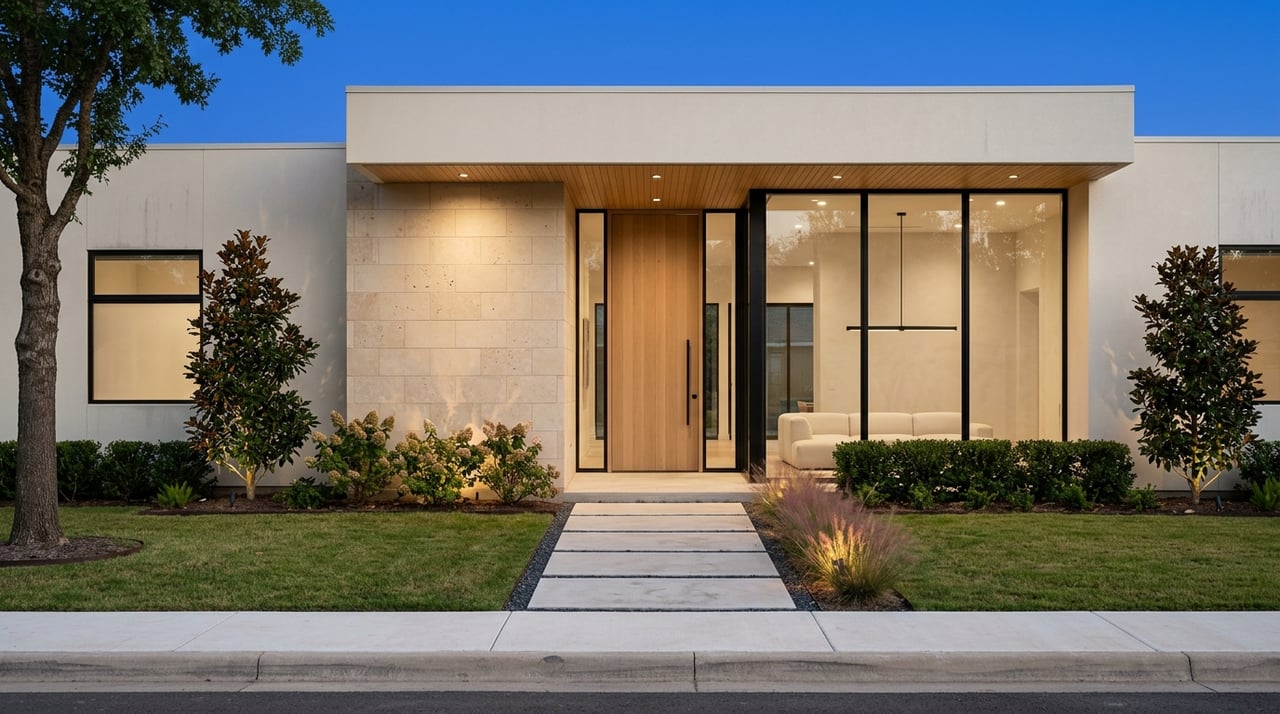
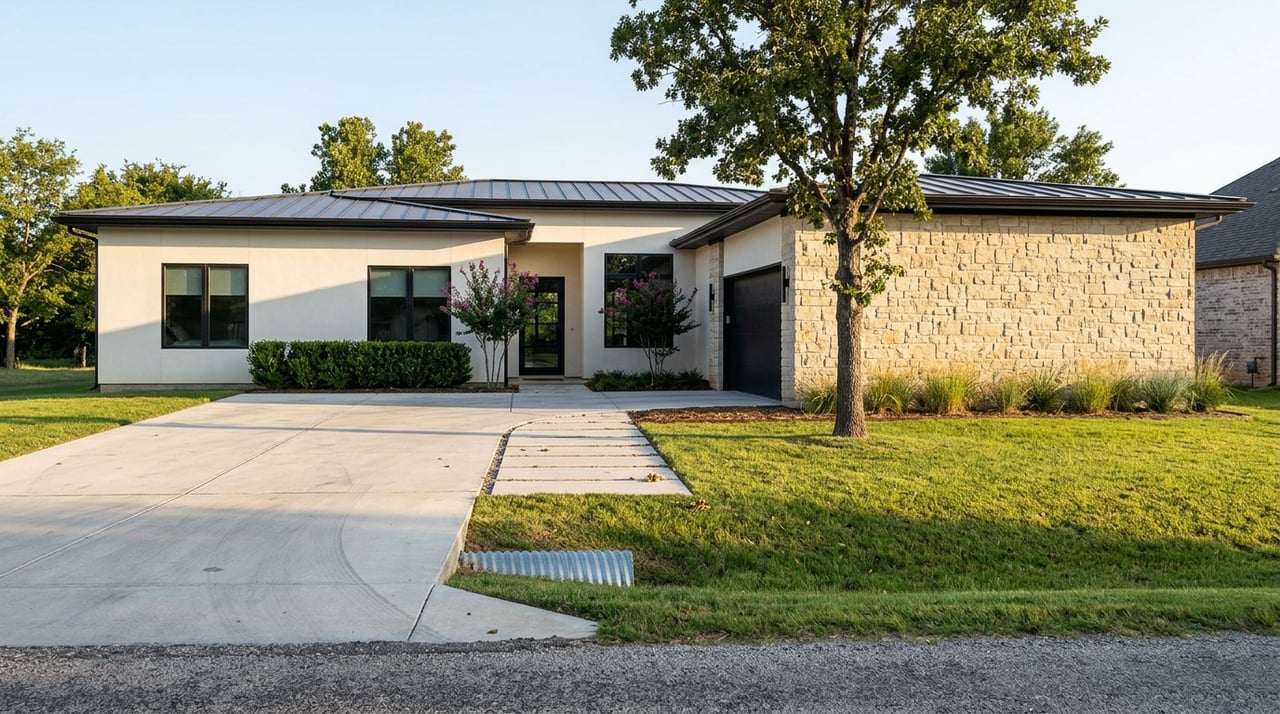
One of the biggest advantages of established Edmond neighborhoods is variety. Instead of one dominant floor plan or one narrow price band, these areas often include a mix of older brick homes, traditional layouts, one-story options, and custom-built properties.
The City of Edmond’s housing assessment notes that the local market has limited for-sale and rental options at any given time. Citywide price signals also tend to cluster around the mid-$300,000s, which suggests that established neighborhoods are best understood in broad tiers rather than one single market segment.
In practical terms, you may find:
- Older or smaller homes around the low-to-mid $300,000s
- Many move-up homes in the mid-$300,000s to $500,000s
- Larger or more updated properties priced above that range
That range matters if you are planning a move. It means established Edmond neighborhoods can appeal to first-time buyers, move-up households, and buyers looking for more distinctive homes with mature surroundings.
Parks Shape Daily Routine
For many residents, daily life in Edmond is closely tied to parks and outdoor spaces. That is especially true in established areas where quick access to trails, playgrounds, and open space can become part of your regular weekly routine.
Mitch Park is one of the city’s major outdoor anchors. It includes 280 acres, five miles of paved trails, a skate park, disc golf, an amphitheater, and an athletic complex, making it useful for everything from morning walks to weekend activities.
Hafer Park adds another layer to that lifestyle with playgrounds, fishing, pavilions, and paved multi-use trails. If you want even more outdoor access, Arcadia Lake expands the mix with 13 miles of trails and opportunities for hiking, mountain biking, and horseback riding.
What does that mean for everyday life? Often, it means after-dinner walks, easy park meetups, bike rides on weekends, and more ways to spend time outside without planning a full day trip.
Downtown Errands and Outings
Established Edmond neighborhoods also benefit from the presence of downtown as a local anchor. The city describes Downtown Edmond as a walkable historic core with local businesses, public parking, streateries for outdoor dining, community events, and continued reinvestment.
That gives residents a practical mix of convenience and character. You may head downtown for a casual meal, a coffee meeting, a weekend event, or a quick local errand rather than driving far for every outing.
Festival Market Place helps support that routine with community events and the Edmond Farmer’s Market. The Edmond Farmer’s Market is described as a downtown shopping destination that includes gardeners, bakers, ranchers, and artisans, which adds another recurring stop for many households.
Dining options also stretch beyond downtown alone. Visit Edmond says the city has more than 250 restaurants and two food halls, so your weeknight and weekend choices are broader than one district or one type of outing.
Commuting in Established Areas
Even with walkable pockets and trail access, Edmond still functions largely as a suburban, car-oriented city. For many households, commuting patterns are shaped by driving, regional access, and how quickly you can move between home, work, school schedules, errands, and recreation.
Visit Edmond notes that the city sits where I-35 and Historic Route 66 intersect. The Census also reports an average commute time of 23.3 minutes, which gives useful context for what daily travel may look like for many residents.
There is also a transit option for some trips. The city says Citylink offers free fixed-route service, buses with bike racks and wheelchair tie-downs, and the 100X commuter route connecting Edmond with downtown Oklahoma City.
For buyers, this means established Edmond neighborhoods often offer a blend of suburban privacy and functional regional access. For sellers, it is a helpful lifestyle point to understand because buyers often care as much about the weekly routine as the home itself.
Community Rhythm Throughout the Year
Life in established Edmond neighborhoods is not only about homes and commute times. The city calendar also shapes how the community feels across the year, especially for residents who enjoy seasonal events, public gatherings, and recurring local traditions.
The city’s events and activities page includes programs such as Edmond’s Neighborhood Summit, Earth Day-related outreach, and utility open houses. These events show that community life extends beyond private neighborhood activity and includes regular city-led opportunities to connect.
LibertyFest is another major example. Edmond’s annual July 4 tradition includes concerts, a parade, and fireworks, giving residents a long-running local event that adds to the city’s yearly rhythm.
That matters because lifestyle is rarely just about square footage. In established Edmond neighborhoods, everyday life often includes familiar public spaces, local traditions, and routines that make the city feel active without feeling rushed.
Who Established Edmond Fits Best
Established Edmond neighborhoods can work well for a wide range of buyers because they offer more than one type of living experience. Some people are drawn to the mature trees and traditional homes. Others want park access, downtown proximity, or a more established street feel than they find in newer areas.
These neighborhoods may be a strong fit if you want:
- A more settled suburban environment
- Tree-lined streets and mature landscaping
- Access to sidewalks, trails, and parks
- A mix of home styles and price points
- Convenient access to downtown Edmond amenities
If you are selling in an established area, those same factors can shape how your home should be positioned in the market. Buyers are often responding to the full lifestyle package, not just the property features on paper.
Why Local Guidance Matters
Because established Edmond neighborhoods vary in age, home style, lot character, and access to amenities, broad city averages only tell part of the story. The right strategy depends on the specific street, condition, updates, surrounding homes, and the lifestyle advantages that matter most to buyers.
That is where local insight can make a real difference. Whether you are buying your next home or preparing to sell, neighborhood-specific guidance helps you look beyond surface impressions and make a more confident decision.
If you want help understanding how an established Edmond neighborhood fits your goals, connect with Matthew Simms for a complimentary consultation.
FAQs
What makes established Edmond neighborhoods different from newer areas?
- Established Edmond neighborhoods often offer mature trees, more varied home styles, a settled street feel, and easier access to parks, sidewalks, and downtown routines.
What price range is common in established Edmond neighborhoods?
- Citywide housing signals cluster around the mid-$300,000s, with older or smaller homes often in the low-to-mid $300,000s, many move-up homes in the mid-$300,000s to $500,000s, and larger or updated properties priced higher.
What is daily outdoor life like in Edmond, Oklahoma?
- Many residents have access to sidewalks, trails, and major parks such as Mitch Park, Hafer Park, and Arcadia Lake, which support walking, biking, and casual outdoor time throughout the week.
How walkable are established Edmond neighborhoods?
- Edmond is still largely suburban and car-oriented, but the city maintains 550 miles of sidewalks and 43 miles of trails, so many areas support walking and biking for recreation and some local trips.
What kinds of errands and outings are common near established Edmond neighborhoods?
- Daily life often includes trips to Downtown Edmond for local businesses, dining, community events, and the farmer’s market, along with access to restaurants across the city.
Is commuting from Edmond, Oklahoma practical for Oklahoma City?
- For many residents, yes. Driving remains the main commuting pattern, the average commute time is 23.3 minutes, and Citylink offers a 100X commuter route to downtown Oklahoma City.