Thinking about trading a long commute for a skyline view and a coffee shop around the corner? If the pull of art, riverfront trails, and dinner plans you can walk to is strong, Tulsa’s urban core might be a great fit. In this guide, you’ll get a clear picture of daily life downtown and in the nearby districts, the kinds of homes you’ll find, and what to consider before you buy or rent. Let’s dive in.
What counts as Tulsa’s urban core
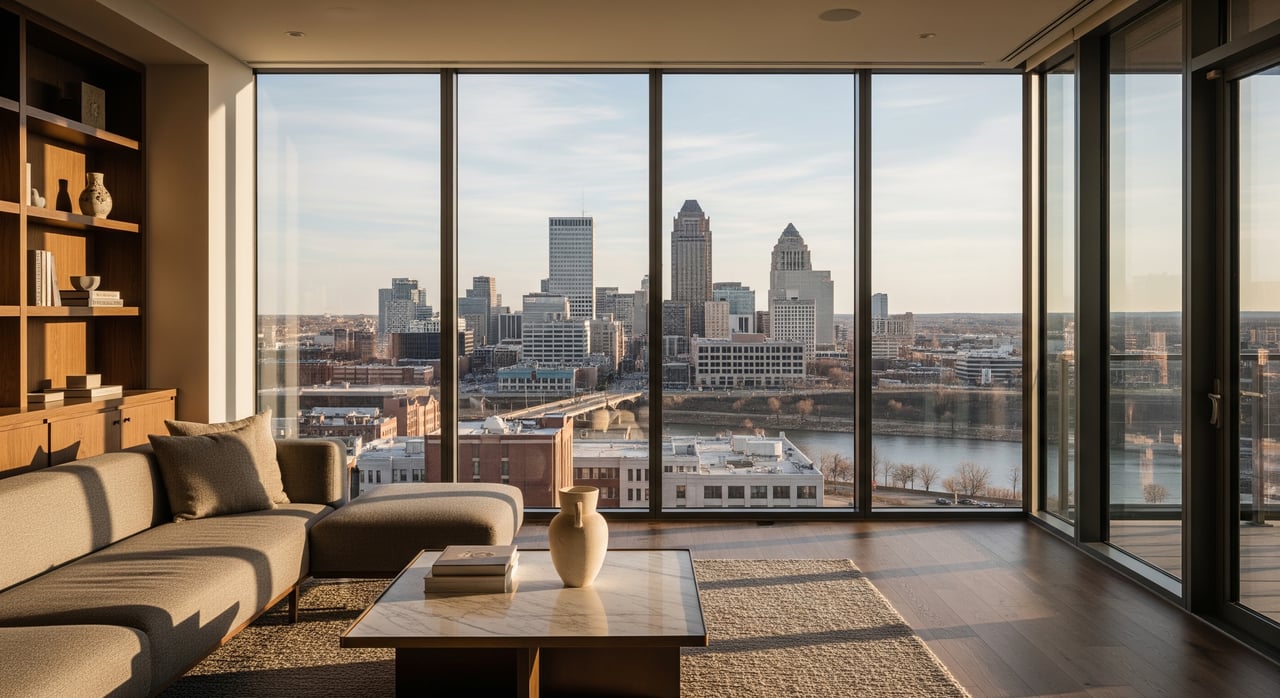
Tulsa’s urban core centers on Downtown and the Art Deco corridor and stretches into nearby walkable districts like the Brady Arts District, Blue Dome, Cherry Street, and parts of Brookside. The Arkansas River and River Parks frame the west side, creating a natural spine for outdoor life and weekend activity. You’ll see historic Art Deco towers mixed with adaptive reuse projects, new condos, and ground-floor retail that keeps the streets active.
Revitalization over the past decade has brought more housing, restaurants, cultural venues, and riverfront improvements. Downtown remains the central business district, so weekdays bring a strong daytime crowd, and evenings and weekends fill with arts, dining, and events. The result is a compact area where you can live, work, and play with fewer miles on your car.
Housing options you’ll find
You’ll find a broad mix of homes in and around the core. Options range from lofts in historic buildings to newer condos and townhomes, plus charming bungalows on leafy streets just beyond downtown.
Historic lofts and conversions
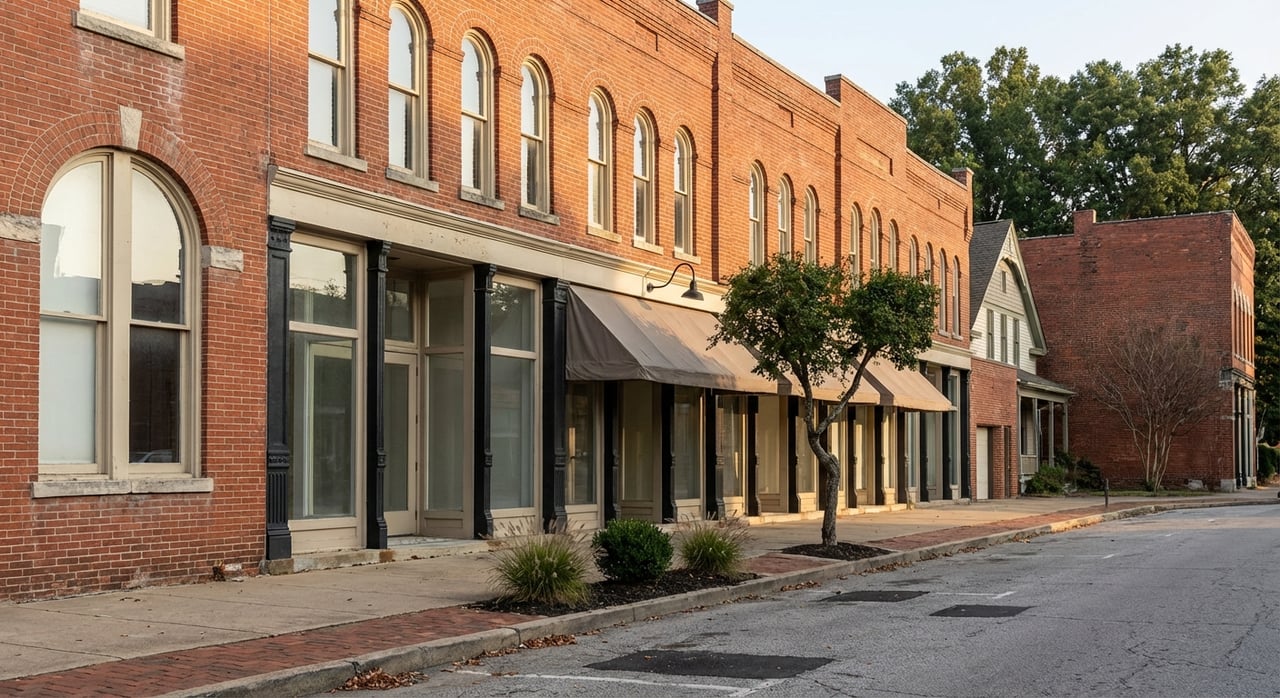
Many Art Deco and former office or industrial buildings have been converted into residences. Expect open layouts, exposed brick, tall windows, and industrial-style finishes. These buildings can vary in soundproofing and mechanical systems, so ask about window quality, HVAC, and any recent upgrades.
New condos and mixed-use buildings
Newer developments often pair ground-floor retail with upper-level condos. Units tend to favor efficient footprints with modern finishes and convenient building amenities. HOA fees and parking arrangements can differ by building, so review what is included in your monthly costs.
Townhomes and infill builds
Compact, multi-story townhomes offer a low-maintenance option with private entries and attached or assigned parking. These homes typically sit close to retail corridors, keeping restaurants, gyms, and coffee nearby. If you value a newer build with a single-home feel, townhomes are worth a look.
Historic bungalows nearby
Just beyond the heart of downtown, you’ll find older single-family streets with mature trees. These homes often feature classic architecture with opportunities to renovate or personalize. If you want walkable charm with a quieter residential feel, this can be a strong fit.
Rental apartments
You’ll see a range of apartment communities, from market-rate to luxury. Many are positioned for easy access to offices, cafes, and nightlife. For flexibility without a long-term commitment, the rental market in the core is active.
Everyday errands and getting around
Walking is a real perk in the central districts. If you live within the core corridors, you can reach coffee, lunch spots, fitness studios, and evening entertainment on foot. Outside the core, most Tulsans still drive for errands and commuting.
- Driving remains the most common way to get around, with downtown parking available across meters, garages, and surface lots.
- Tulsa Transit runs routes in and around downtown, with moderate frequency compared with larger metros.
- River Parks offers miles of multi-use trails along the Arkansas River for running, biking, and scenic strolls.
- E-scooters and bike shares have operated in the core at times; availability can change by operator.
Grocery and daily services are accessible within a short drive, and some neighborhoods have walkable specialty shops and markets. Major hospitals and clinics are convenient from downtown, making routine care and urgent needs manageable.
Culture, dining, nightlife, and outdoors
Arts and entertainment cluster in and near downtown, with concert halls, theaters, museums, and live music venues bringing regular programming. Galleries and public art add a creative feel to the streets. Dining has expanded with chef-driven concepts, breweries, and cocktail bars, along with casual staples and regional comfort food.
The Arkansas River corridor shines on weekends. River Parks trails handle your morning run or bike ride, and you can spend an afternoon at Gathering Place, a destination park that opened in 2018 with events, play areas, and expansive green space. Throughout the year, festivals and markets activate plazas and streets, drawing residents from across the metro.
A quick neighborhood primer
Use this at-a-glance guide to map daily life to places you can explore.
Deco District and Art Deco corridor
This area showcases historic architecture and striking facades. You’ll find residential conversions mixed with offices, hotels, and eateries. If you appreciate architectural character and a central address, put this on your list.
Brady Arts District and Blue Dome
Expect active evenings with live music, galleries, and a steady lineup of events. Converted warehouses, lofts, and nearby apartments put you close to nightlife and creative venues. Foot traffic picks up on weekends and event nights.
Cherry Street and Brookside
These corridors blend boutique retail, cafes, and restaurants with nearby residential streets. Sidewalks stay lively, especially on weekends. Housing options include condos, townhomes, and older single-family homes within a short drive or walk.
Historic residential near the core
North, east, and west of downtown are older neighborhoods with mature trees and bungalows. You’ll see slower turnover and opportunities for sensitive renovation. Some districts have preservation guidelines, so check rules before planning exterior changes.
What to evaluate before you commit
Buying in an urban core rewards preparation. A few focused checks will help you set realistic expectations and avoid surprises.
Safety and building access
Perceptions of safety can vary block by block. Visit at different times of day and night to observe lighting, foot traffic, and storefront activity. In buildings, review security features like controlled entries, cameras, and staffed lobbies where applicable.
Costs, fees, and taxes
The core offers a wide price range, from older condos and rentals to high-end lofts and new-builds. Compare total monthly costs, including HOA fees, parking, and property taxes. Ask for recent assessments and verify what building insurance covers versus your owner policy.
Historic status and renovations
Historic districts and landmarked buildings can limit exterior changes and certain interior modifications. Older properties may have deferred maintenance or legacy materials that need attention. Budget for inspections, mechanical evaluations, and potential upgrades.
Schools and family needs
Immediate downtown schooling options are limited, so many households consider nearby neighborhoods or private options that align with their goals. Look into childcare availability, parks, and family programming in your preferred area. Map school zones early in your search.
Flood and infrastructure
Proximity to the river can increase flood risk for certain parcels. Review flood maps and ask about stormwater improvements. In older buildings, confirm the age and condition of HVAC, electrical, and roof systems.
Parking and mobility
Parking varies widely by building, from assigned garage spaces to nearby surface lots and on-street options. Confirm guest parking, storage for bikes, and any fees tied to your space. If you plan to commute by bike or on foot, test your route during peak times.
What a typical week can look like
On a weekday, you might walk to a coffee spot, work from home or a downtown co-working office, and meet friends for dinner without moving your car. Lunch options are plentiful around office clusters, and evenings bring live performances or a quiet stroll by the river. Weekends often start with brunch, a gallery visit or farmers market, and time on the trails or at River Parks.
If you work outside downtown, you’ll probably drive 15 to 30 minutes depending on direction and traffic. Many residents weigh these commutes against the benefits of a walkable home base for after-hours plans.
Is the urban core right for you?
You may love the core if you want a lower-maintenance home, shorter trips to culture and dining, and regular access to trails and public spaces. If you prefer larger yards, very quiet nights, and bigger floor plans, a neighborhood just beyond the core or a suburban area could fit better. The good news is that Tulsa offers both, often within a short drive.
The best next step is to tour at multiple times of day, sit for a coffee on a few different blocks, and see how the rhythm matches your lifestyle. A clear budget, an understanding of building rules, and a feel for the surrounding streets will help you choose with confidence.
Ready to compare buildings, review HOA documents, or map your must-haves to the right streets? Connect with Matthew Simms for founder-led guidance and market insight. Schedule a complimentary consultation and move forward with clarity.
FAQs
Is downtown Tulsa safe to walk at night?
- Safety perceptions vary by block and time; visit in the evening, note lighting and activity, and review local crime maps and reports before deciding on a location.
How walkable is Tulsa’s urban core for errands?
- If you live within the central corridors, many errands like coffee, dining, and fitness are walkable; outside the core, most residents still drive for daily needs.
Are there grocery options near downtown Tulsa?
- You’ll find convenience markets and specialty grocers in or near the core, with supermarkets a short drive away depending on your address.
What are commute times from downtown to suburban job centers?
- Many commuters drive 15 to 30 minutes or more depending on direction and traffic; downtown residents have short trips to downtown employers.
Are historic lofts in Tulsa noisy?
- Sound levels vary by building and renovation quality; ask about window upgrades, insulation, and HVAC systems, and visit at different times to assess noise.
Is downtown living more expensive than Tulsa suburbs?
- It can be comparable or higher per square foot for new or high-end condos, while rentals offer a range of price points; weigh HOA fees and reduced commuting costs in your budget.