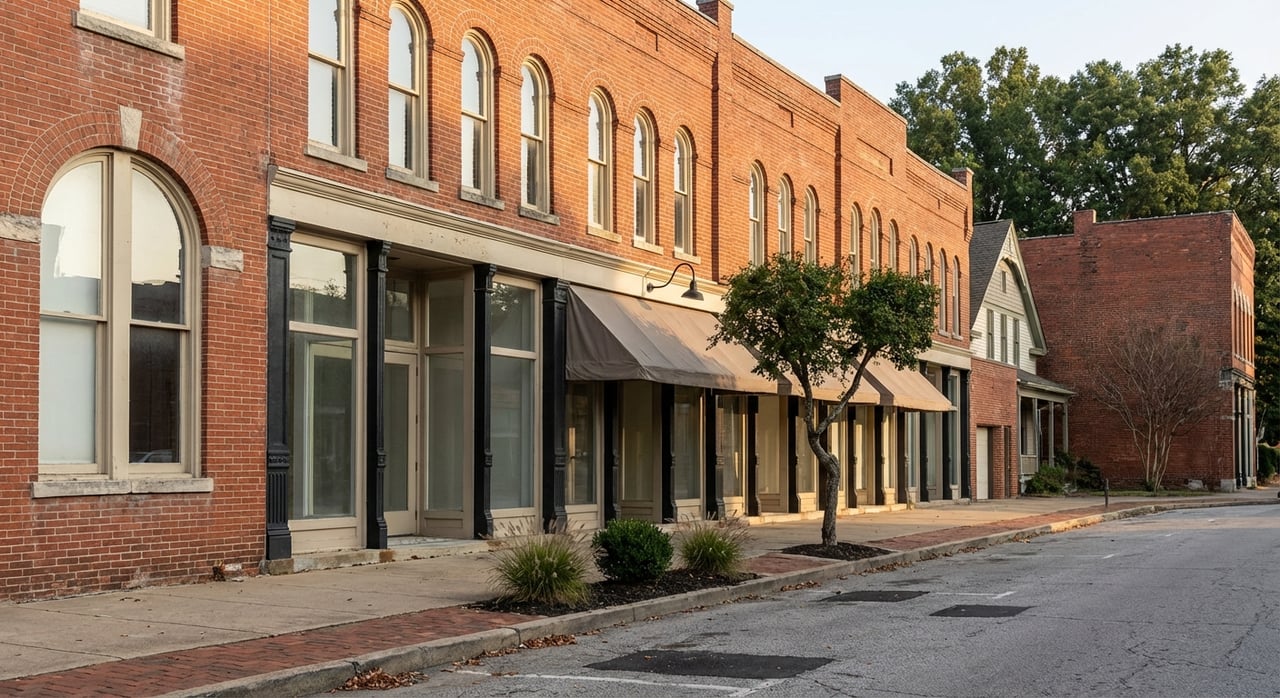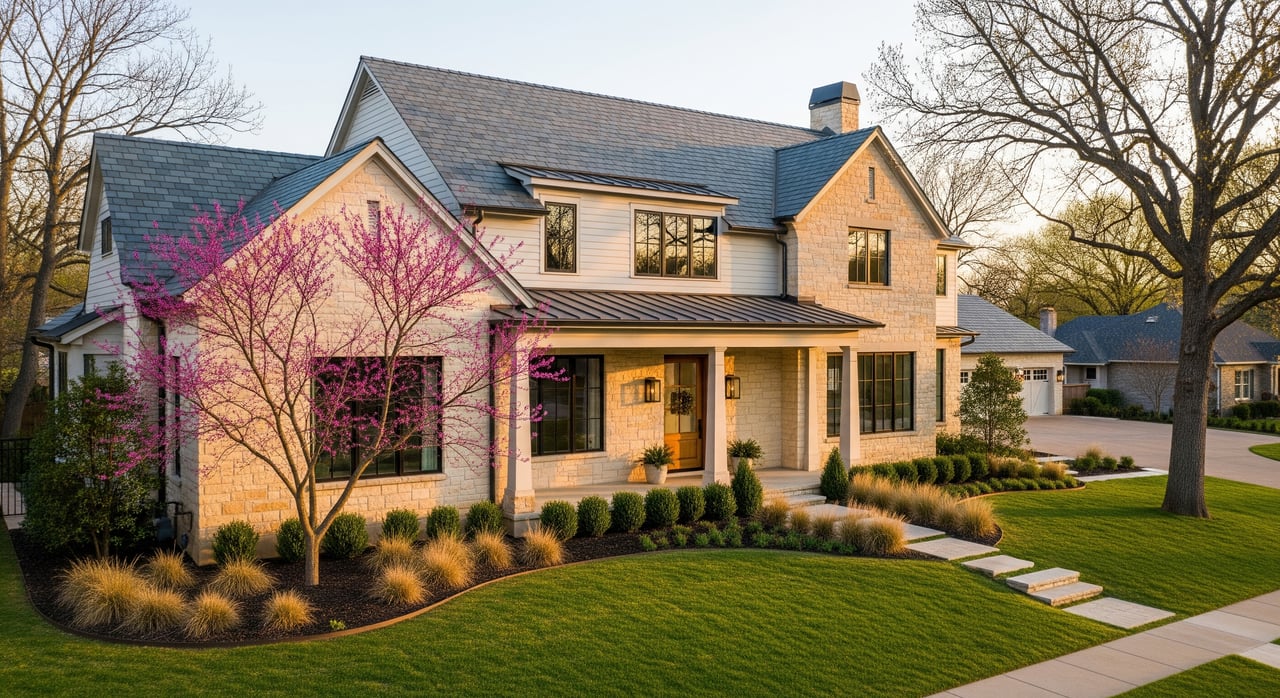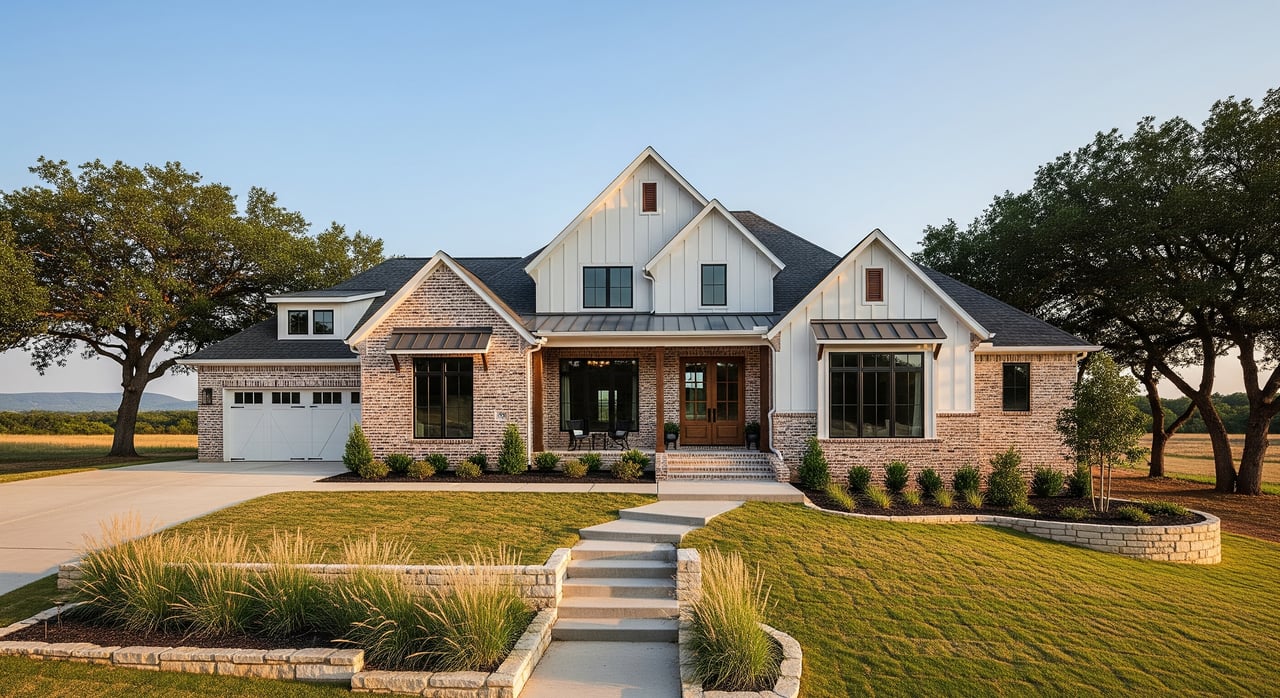
Thinking about buying in Yukon and torn between a brand-new build and a lived-in resale? You are not alone. Each path offers different benefits for budget, timing, and long-term value, and the best fit depends on your goals. In this guide, you will compare costs, timelines, warranties, and local factors in Canadian County, plus get a simple checklist to make a confident choice. Let’s dive in.
Quick comparison: new vs. resale
New construction
- Pros: Modern layouts and energy-efficient systems, ability to choose finishes, lower near-term maintenance, builder warranty protection.
- Cons: Higher base price per square foot is common, upgrade markups and lot premiums add up, longer build timelines for to-be-built homes, HOAs are common with monthly or annual dues.
Resale homes
- Pros: Lower purchase price relative to similar size and location is common, faster closing, mature landscaping and established neighborhoods, potential negotiating room depending on inventory.
- Cons: Possible immediate repairs or updates, older systems can increase insurance and utility costs, fewer customization options without renovations.
Total cost of ownership in Yukon
When you compare homes, look beyond the sticker price. Your total cost of ownership includes one-time and ongoing expenses.
Purchase price and premiums
New construction often carries a higher base price per square foot than comparable existing homes in the same area. Builders price models to include lot, standard finishes, and profit. Resale pricing depends on condition, upgrades, lot, and recent nearby sales.
Upfront and closing costs
- New construction: Expect deposits, possible phased payments, lot premiums, and upgrade charges. If you use construction financing, you may carry interest during the build.
- Resale: Plan for typical buyer closing costs. The path to closing is generally faster and more predictable.
Financing and rate options
Builders sometimes offer incentives, such as rate buy-downs or lender credits. If you finance a to-be-built home yourself, construction-to-permanent loans add steps and costs. Resale purchases usually follow a standard mortgage process with shorter timelines.
Property taxes and assessments
In Canadian County, assessed values for new homes can change after completion based on county timing and valuation methods. Ask how and when assessments update for your specific property. Also review any special assessments or districts disclosed in subdivision documents.
Insurance and utilities
New homes often benefit from modern insulation, HVAC, and materials that can help control utilities and reduce early maintenance. Insurance costs depend on replacement value and building materials. Resale homes may have older systems that affect insurance and utility budgets.
Maintenance and lifecycle costs
New construction usually means minimal near-term repairs, though establishing landscaping or irrigation can add costs. Resale homes may need roof, HVAC, appliance, or cosmetic updates sooner. A thorough inspection will help you plan for these items.
HOA fees and community costs
Many new subdivisions include HOAs that maintain amenities like pools and common areas. Verify dues, reserve funding, and any known special assessments. Older neighborhoods may have lower dues or no HOA.
Future resale value
In Yukon, value is shaped by location, lot characteristics, construction quality, and demand patterns. Homes in growing subdivisions with solid construction can hold value well when demand persists. Established neighborhoods can also perform well based on convenience and character.
Build your TCO worksheet
Create a 5–10 year projection that includes:
- Purchase price and estimated upgrades
- Closing costs
- Property tax estimate
- HOA dues and community fees
- Home insurance estimate
- Utility estimate
- Annual maintenance and reserves for capital items
- Appreciation scenarios for your price range and area
To refine numbers, contact the Canadian County Assessor for tax guidance and local insurance professionals for replacement-cost estimates.
Timelines and flexibility
How long you may wait
- Spec homes: If the home is complete or near completion, closing can be immediate to a few weeks, depending on lender and seller timelines.
- To-be-built homes: Build times commonly range from about 4 to 12 months, depending on lot readiness, permitting, weather, and supply chain.
- Resale homes: Typical closings run about 30 to 60 days after contract acceptance, based on financing and inspections.
Customization tradeoffs
New construction lets you choose floor plans and finishes, especially early in the process. Customization from a builder can carry markups, while after-purchase renovations on a resale can sometimes be more cost-effective if you are comfortable with the disruption.
Supply chain and materials
Ask builders about current lead times for items like cabinets, windows, and HVAC. If you plan to renovate a resale, check contractor availability and material timelines.
Inspections and contingencies
For new builds, confirm your inspection rights and the punch-list process in the builder contract. Independent pre-drywall and final inspections are smart. For resale, an inspection contingency is standard and helps you negotiate repairs or credits.
Closing and occupancy
Builders may require a final walkthrough, certificate of occupancy, and specific payment steps before move-in. For resale, ensure title work and insurance are on track to meet your closing date.
Warranties and quality control
What to expect from new-home warranties
A common structure is 1 year for workmanship and materials, 2 years for major systems, and 10 years for structural components. Exact terms vary by builder. Ask for the full written warranty, review exclusions, and confirm whether the warranty transfers to future buyers.
Inspections still matter
Even with a warranty, independent inspections help document issues before drywall and before closing. For resale homes, a full inspection identifies immediate and near-term needs so you can budget or negotiate accordingly.
Builder reputation and norms
Research builder references, complaint history, and ratings, and ask to see recently completed homes. Request a sample purchase contract and a list of standard features versus upgrade options. Local builder norms often follow guidance from the Home Builders Association of Greater Oklahoma City.
Local factors in Yukon that matter
Demand drivers
Yukon buyers often weigh proximity to Oklahoma City jobs, access to major roads like I‑40, and community amenities such as parks and shopping. Many families consider the school district as part of their decision. Match the neighborhood feel and lot size to your lifestyle.
Inventory patterns and leverage
When resale inventory is tight, buyers may accept new-construction premiums or move quickly on spec homes. In periods with more inventory, you may find better negotiating room on resale prices or seller concessions. Watching months of inventory and days on market helps you set expectations.
Who tends to prefer what
- First-time buyers: Often lean resale for price, or consider a spec home for predictability.
- Move-up families: Frequently choose new construction for space, modern layouts, and energy efficiency.
- Downsizers: May prefer established neighborhoods close to services, or low-maintenance new builds with HOAs.
Decision framework for Yukon buyers
Clarify your priorities
- Timeline: Do you need to move within 2 to 3 months? Consider resale or a completed spec home.
- Customization: Do you need a certain layout or finishes? Look at to-be-built or semi-custom options.
- Budget approach: Do you want predictable low maintenance early on? New construction may fit. Prefer a lower purchase price now with room to renovate? Consider resale.
- Complexity tolerance: Are you comfortable managing construction steps and possible delays, or do you prefer a straightforward closing?
Seven-step Yukon checklist
- Pull local pricing: Compare 6 to 12 months of Yukon resale comps and builder base prices, including lot premiums.
- Estimate TCO: Build your 5–10 year carry cost worksheet with taxes, HOA, insurance, utilities, maintenance, and appreciation scenarios.
- Compare timelines: Get the builder’s realistic completion window and your lender’s construction-to-perm terms; weigh against a resale closing window.
- Review warranties and contracts: Ask for builder warranty documents, transfer rules, and dispute resolution terms.
- Plan inspections: Schedule pre-drywall and final for new builds; order a full inspection for resale.
- Verify taxes: Ask the Canadian County Assessor about assessed-value timing and changes after completion for new construction.
- Get local insight: Talk with an agent who works in Yukon regularly and request references from recent buyers of both new and resale homes.
Sample buyer scenarios
- Buyer A: Must move quickly and prefers minimal projects. Consider a move-in-ready resale or a completed spec home.
- Buyer B: Wants tailored finishes and modern performance. Consider to-be-built or semi-custom, and plan for upgrades and a longer timeline.
- Buyer C: Budget-focused and willing to renovate. A resale with solid bones and a phased improvement plan may be the best fit.
Put it together: choose with confidence
The right answer in Yukon depends on your timeline, budget, and tolerance for projects. New construction can deliver customization, warranties, and low early maintenance, but often at a higher upfront price and with more time to close. Resale can offer value and speed, with the tradeoff of potential updates. If you map your costs and confirm timelines, you can choose the path that supports your life and long-term goals.
If you want local pricing comps, current builder timelines, and a clear TCO estimate tailored to your shortlist, connect with Matthew Simms for founder-led guidance and boutique service across Canadian County.
FAQs
Are new homes cheaper to own in Yukon?
- Often in the early years, due to modern systems and insulation, but verify with builder energy specs, local utility estimates, and insurance quotes.
How long does a Yukon new build take?
- Spec homes can close in weeks, while to-be-built timelines commonly range from about 4 to 12 months depending on lot readiness, permitting, weather, and materials.
What warranties do Yukon builders offer?
- Many follow a 1-year workmanship, 2-year systems, and 10-year structural pattern, but always confirm exact terms, exclusions, and transfer rules in writing.
Do most new subdivisions in Yukon have HOAs?
- Many do; expect dues tied to amenities and maintenance, and review reserves, rules, and any known special assessments before you buy.
Will a resale close faster than a new home in Yukon?
- Typically yes; resale closings often run 30 to 60 days, while to-be-built homes require the construction period plus closing time.
How do property taxes work on a new home in Canadian County?
- Assessed value and timing can change after completion; contact the Canadian County Assessor to understand valuation and when your assessment may update.